Classics
Cuban Mojito Classic

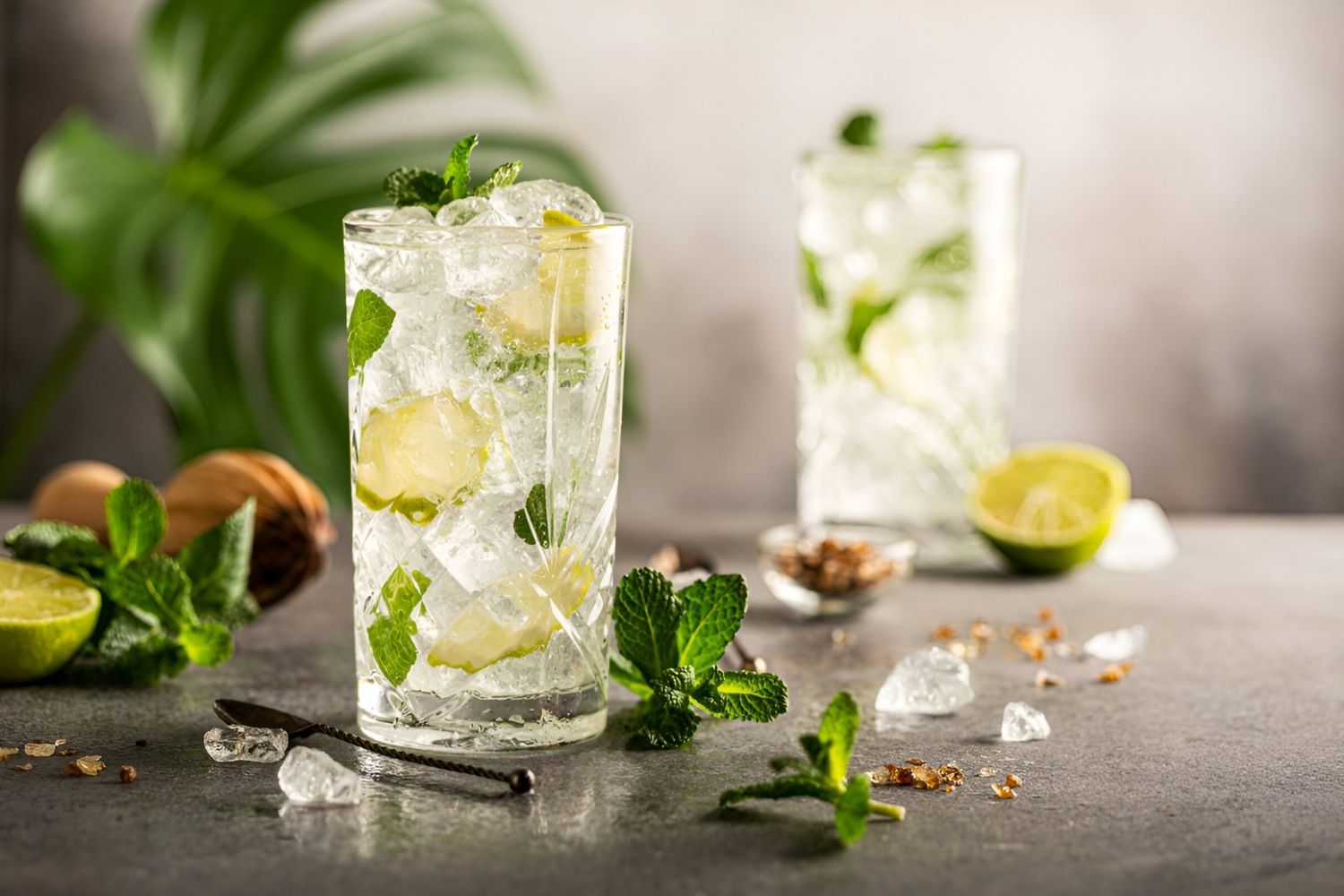
The Cuban Mojito Classic has always felt like more than a cocktail to me. It carries the rhythm of Caribbean music, the scent of crushed mint in warm air, and the sparkle of ice clinking against tall glass walls. Each sip delivers brightness, balance, and a quiet kind of confidence that only a truly timeless drink can offer. This cocktail does not rely on gimmicks or flashy techniques; it stands firmly on simplicity executed well.
I find that a well-made mojito invites conversation. The aroma of fresh mint rises before the glass even reaches my lips, and the gentle fizz from soda water dances on the surface. Lime adds sharpness, sugar softens the edge, and rum ties everything together in a way that feels effortless. It is refreshing without being overly sweet and spirited without overwhelming the palate.
The Cuban Mojito Classic traces its heritage back to Havana, where tropical heat practically demands a drink this cool and lively. Stories often connect it to Ernest Hemingway, who famously enjoyed his cocktails in the city’s historic bars. One of those bars, La Bodeguita del Medio, has long claimed a special relationship with the mojito, serving visitors who want to taste a bit of Cuban tradition. Whether or not every legend is perfectly accurate, the cultural connection feels undeniable.
A Brief History Of The Cuban Mojito Classic
Centuries ago, a primitive version of this drink likely existed as a medicinal mixture. Sailors in the Caribbean combined aguardiente, lime, mint, and sugar to ward off illness and make rough spirits more palatable. Over time, aguardiente evolved into refined rum, and the rustic remedy transformed into a polished cocktail. The name “mojito” itself may have roots in African or Spanish linguistic traditions, adding another layer of cultural blending to its story.
Cuba’s sugarcane industry played a crucial role in shaping the mojito’s identity. Rum production flourished on the island, and local ingredients naturally influenced local drinking habits. Mint grew abundantly, limes thrived in the climate, and sugar was readily available. The cocktail that emerged reflected its environment, embodying freshness and resourcefulness in equal measure.
Prohibition in the United States also helped elevate the mojito’s profile. American travelers flocked to Havana in search of legal drinks, music, and nightlife. They encountered Cuban bartenders who perfected classics and invented new delights. The mojito became one of the drinks visitors carried back in memory, helping it gain international fame.
Ingredients That Define The Classic
Four core ingredients define the Cuban Mojito Classic: white rum, fresh mint, lime, and sugar. Soda water completes the structure, adding effervescence and lift. Each component plays a distinct role, and none can be neglected without altering the character of the drink. Precision matters, but so does feel.
White rum provides the backbone. A Cuban-style rum offers lightness and subtle sweetness, allowing mint and lime to shine rather than overpowering them. The spirit should blend seamlessly rather than dominate. A harsh or overly complex rum can upset the delicate balance that makes the mojito so refreshing.
Mint is not merely garnish. Fresh spearmint releases aromatic oils that define the drink’s identity. Crushing it too aggressively can introduce bitterness, while handling it too timidly leaves the flavor flat. I gently press the leaves just enough to release their fragrance, letting the scent rise immediately from the glass.
Lime contributes brightness and acidity. Freshly squeezed juice is essential because bottled alternatives lack vibrancy. The citrus sharpness cuts through sweetness and alcohol, creating a clean finish. Sugar, whether granulated or in syrup form, smooths out the lime’s edge and ties all elements together.
The Technique That Makes Or Breaks It
Preparation determines whether a mojito tastes balanced or chaotic. I start by placing mint leaves and sugar into a sturdy glass. A gentle muddle releases oils without shredding the leaves into fragments that float unpleasantly. The goal is fragrance, not pulverization.
Fresh lime juice goes in next, followed by rum. I stir briefly to dissolve the sugar before adding ice. Crushed ice is traditional because it chills quickly and slightly dilutes the mixture, softening the edges. Soda water tops it off, bringing a lively fizz that lifts the entire drink.
Stirring again integrates the flavors without flattening the carbonation. A final sprig of mint and a wedge of lime complete the presentation. The result should look vibrant and feel light in the hand. Even before tasting, the aroma signals that something refreshing awaits.
The Sensory Experience In Every Sip
A Cuban Mojito Classic engages multiple senses at once. The first sensation is visual: bright green mint against clear ice and pale rum. Tiny bubbles travel upward, hinting at crispness. That sparkle sets expectations before the glass even reaches the mouth.
The aroma follows immediately. Mint’s cool scent mingles with citrus oils from freshly squeezed lime. This combination feels clean and invigorating, almost like stepping into a shaded courtyard on a hot afternoon. The fragrance alone can reset a weary mood.
Taste unfolds in layers. Sweetness greets the tongue first, quickly chased by lime’s tang. Rum provides warmth and subtle depth beneath the surface. The finish is light and refreshing, encouraging another sip without heaviness.
Mojito Variations Around The World
The classic recipe has inspired countless variations, though purists insist on preserving the original formula. Fruit additions such as strawberry, mango, or passion fruit introduce color and sweetness. These variations can be delightful, especially in summer settings where tropical flavors feel at home. Still, they shift the drink away from its crisp, herbal essence.
Some bartenders experiment with flavored syrups or different types of rum. Dark rum creates a richer profile, while spiced rum adds complexity. These alternatives have their place, yet they alter the drink’s traditional character. The Cuban Mojito Classic relies on restraint and balance rather than bold twists.
Even sparkling wine occasionally replaces soda water for a celebratory version. This adaptation adds elegance and extra effervescence. Despite these creative interpretations, I always return to the original. The simplicity of mint, lime, rum, sugar, and soda remains unmatched.
Cultural Significance Beyond The Glass
In Cuba, the mojito is more than a beverage. It accompanies music, conversation, and long evenings that stretch effortlessly into night. The drink reflects hospitality and a relaxed approach to life. Sharing one feels like participating in a small ritual of enjoyment.
Tourists often seek out historic bars in Havana to taste authenticity. Those venues combine architecture, history, and atmosphere in ways that deepen the experience. The mojito becomes a gateway to cultural exploration. Through one glass, visitors connect with a place’s rhythm and traditions.
Global cocktail culture has embraced the mojito as a staple. It appears on menus from beach resorts to urban rooftops. Despite its widespread presence, the drink rarely loses its charm. That endurance speaks to the strength of its foundation.
Common Mistakes And How I Avoid Them
Over-muddling mint remains one of the most common errors. Shredded leaves create bitterness and an unattractive appearance. Gentle pressure releases flavor without damaging texture. Patience makes all the difference.
Another frequent mistake involves imbalanced sweetness. Too much sugar masks lime and rum, turning the drink syrupy. Too little leaves harsh acidity. Measuring carefully and tasting before serving ensures harmony.
Flat soda water can also ruin the experience. Carbonation provides lift and lightness. Freshly opened soda guarantees lively bubbles that enhance each sip. Attention to these details transforms a good mojito into a memorable one.
Pairing The Mojito With Food
Light, vibrant dishes complement the Cuban Mojito Classic beautifully. Grilled seafood with citrus marinades echoes the drink’s brightness. Fresh salads with herbs and tropical fruits enhance its refreshing qualities. The interplay between food and cocktail creates a cohesive dining experience.
Spicy dishes also pair surprisingly well. Lime and mint cool the palate after heat from chili or spices. The sweetness in the drink balances fiery flavors. This contrast adds depth to a meal rather than overwhelming it.
Even simple snacks like salted nuts or plantain chips work nicely. The salt enhances sweetness and acidity in subtle ways. Sharing these small bites alongside mojitos fosters a relaxed, communal atmosphere.
Crafting The Perfect Moment
Atmosphere shapes how a mojito feels. Warm weather amplifies its refreshing qualities, yet the drink can brighten even a gray afternoon. Music, conversation, and good company elevate the experience. The cocktail becomes part of a larger scene rather than standing alone.
Glassware matters more than many realize. A tall, sturdy glass allows for proper layering and ample ice. Clear glass showcases mint and bubbles, enhancing visual appeal. Presentation influences perception before the first sip.
I often take a moment to inhale the aroma before tasting. That pause heightens anticipation and deepens appreciation. Small rituals like this transform a simple drink into a mindful experience.
Why The Cuban Mojito Classic Endures
Trends in mixology come and go, but the mojito remains relevant. Its balance of sweet, sour, herbal, and effervescent elements feels timeless. The recipe invites precision yet leaves room for personal touch. Few cocktails achieve such harmony with so few ingredients.
The Cuban Mojito Classic also adapts to different settings. It suits beach gatherings, dinner parties, and quiet evenings alike. Its approachable flavor appeals to both seasoned cocktail enthusiasts and casual drinkers. This versatility strengthens its legacy.
Each time I prepare one, I appreciate its straightforward elegance. No elaborate equipment or obscure ingredients are required. Care, freshness, and balance define success. That simplicity continues to draw people back.
The Cuban Mojito Classic represents refreshment in its purest form. Mint cools, lime brightens, rum warms, and soda lifts. Together they create a drink that feels alive and celebratory. In a world filled with complex concoctions, this cocktail reminds me that true brilliance often lies in clarity and balance.
Raising a glass of mojito feels like honoring a tradition shaped by history, culture, and craft. The sound of ice, the scent of mint, and the sparkle of carbonation combine into a sensory memory that lingers. With each sip, I taste not only rum and lime but also the spirit of Havana’s vibrant past. That connection keeps the Cuban Mojito Classic firmly rooted in my repertoire and ensures it will remain a favorite for years to come.


