Classics
Timeless Manhattan Magic

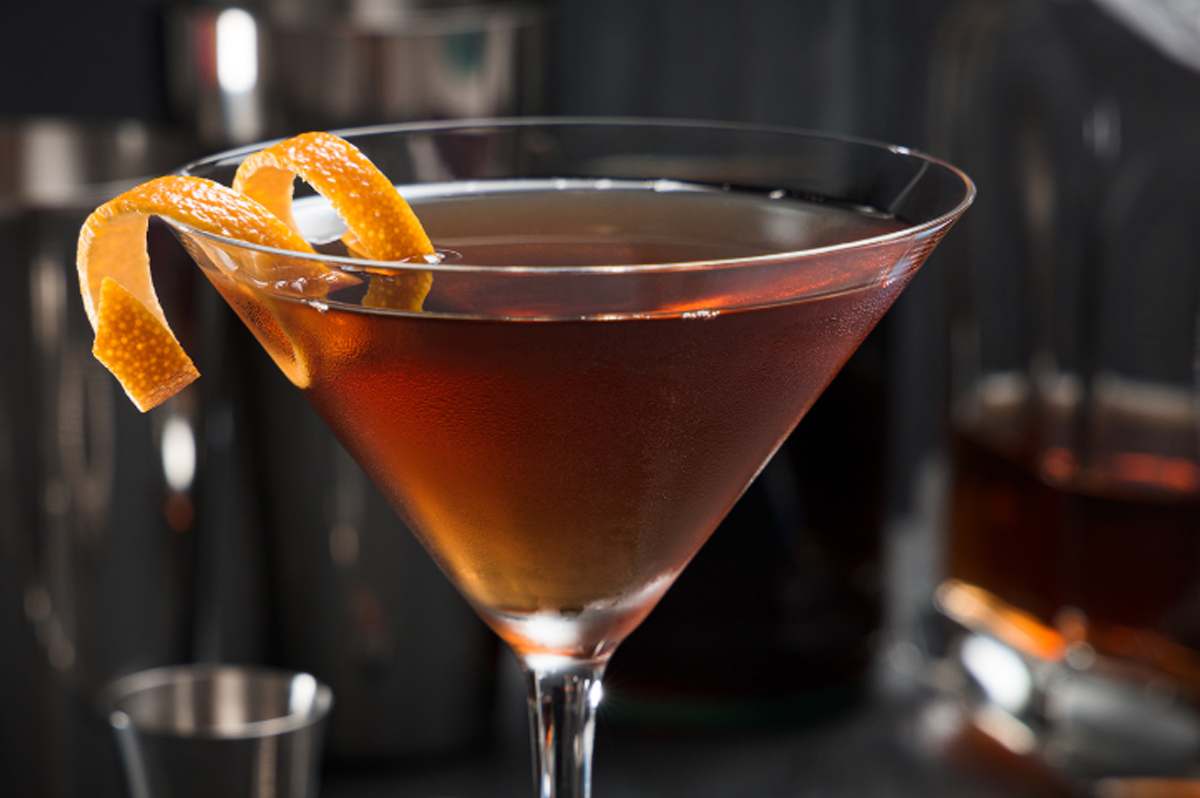
The Manhattan stands as one of the most enduring cocktails ever poured, a drink that captures elegance in its purest liquid form. Its deep amber hue glows beneath soft light, and its aroma carries warmth before the first sip even touches my lips. I find myself returning to it again and again because it never feels outdated, never feels excessive, and never tries too hard to impress. The magic of the Manhattan lies in its quiet confidence.
This cocktail does not rely on complicated infusions or theatrical presentation. It thrives on balance, precision, and respect for its components. Each time I prepare one, I am reminded that true sophistication often comes from restraint rather than extravagance. The Manhattan remains timeless because it understands exactly what it is meant to be.
A Cocktail Rooted In History
The Manhattan emerged in the late nineteenth century, a period when American whiskey was rising in prominence and European vermouth was making its mark across the Atlantic. Its origin is often linked to social clubs in New York City, where refined palates demanded drinks that matched the grandeur of their surroundings. Whether born at a private banquet or refined behind polished mahogany bars, the Manhattan quickly earned its place among the classics.
Its popularity spread because of its structure. Whiskey provided backbone, vermouth offered depth and sweetness, and bitters tied everything together. Bartenders recognized its elegance and passed the recipe down through generations. The cocktail’s survival through Prohibition and shifting drinking trends speaks volumes about its appeal.
Even now, when menus overflow with creative concoctions, the Manhattan remains untouched by time. Ordering one feels like stepping into a tradition that values craftsmanship. Making one feels like participating in that same tradition.
The Core Ingredients That Define It
Whiskey forms the soul of the Manhattan. Rye whiskey delivers a spicy, peppery edge that sharpens the drink’s character and gives it structure. Bourbon, with its softer caramel and vanilla notes, creates a rounder and slightly sweeter profile. My choice often depends on the mood I want to set, but both spirits honor the cocktail’s foundation.
Sweet vermouth acts as the bridge between intensity and smoothness. Its herbal and lightly sweet qualities temper the whiskey’s strength without muting it. A quality vermouth contributes layers of dried fruit, botanicals, and subtle bitterness that make the cocktail feel complete. Freshness matters greatly, and I always store vermouth properly to preserve its character.
Aromatic bitters provide the finishing detail. Just a few dashes transform the drink from simple to complex. Bitters add structure and highlight hidden notes within the whiskey and vermouth. Without them, the Manhattan would feel unfinished.
The Importance Of Balance
Balance defines the Manhattan more than any single ingredient. Too much vermouth can make it overly sweet, while too little can leave it sharp and unyielding. The traditional ratio of two parts whiskey to one part sweet vermouth creates harmony, allowing each component to shine without overpowering the others.
Stirring plays a crucial role in achieving this equilibrium. Proper dilution softens the alcohol’s intensity and binds the flavors together. I stir with steady patience, allowing the ice to chill and slightly dilute the mixture until it reaches a silky texture. The final result should feel smooth, never harsh.
Tasting as I refine my technique has taught me that subtle adjustments make a noticeable difference. Even a slight shift in ratio can change the drink’s personality. The Manhattan rewards attention to detail.
The Ritual Of Stirring And Serving
Preparation begins with quality ice. Large, clear cubes melt more slowly and prevent excessive dilution. I fill a mixing glass with ice, add measured whiskey, sweet vermouth, and bitters, and stir in smooth rotations. The sound of ice gliding against glass feels deliberate and calming.
After about thirty seconds, the cocktail reaches its ideal temperature and texture. Straining it into a chilled coupe or martini glass preserves its clarity. The liquid settles with a polished stillness that reflects its refinement.
Glassware enhances the experience. A stemmed glass keeps the drink cold while maintaining elegance. Holding it feels intentional, almost ceremonial. The Manhattan deserves that respect.
The Garnish That Completes The Experience
A classic Manhattan is typically finished with a cocktail cherry. The garnish contributes subtle sweetness and visual contrast against the amber liquid. I prefer dark, richly flavored cherries that complement rather than overpower the drink.
An expressed orange peel offers a different dimension. Twisting the peel over the surface releases fragrant oils that brighten the cocktail’s aroma. Sometimes I include both cherry and citrus, depending on the flavor profile I want to highlight. Each garnish choice adds nuance.
The garnish is never random. It serves as a final adjustment, fine-tuning aroma and balance. In a cocktail built on precision, even the smallest detail matters.
Classic Variations Within The Family
The Manhattan has inspired several respected variations that maintain its structure while exploring new flavors. The Perfect Manhattan replaces half of the sweet vermouth with dry vermouth, creating a lighter and more aromatic version. This subtle shift introduces crispness without losing depth.
The Dry Manhattan reduces sweetness further by using only dry vermouth. Its profile feels sharper and more spirit-forward. Meanwhile, the Rob Roy substitutes Scotch for American whiskey, introducing smoky undertones that reshape the experience while keeping the familiar framework intact.
Each variation respects the Manhattan’s foundation. The spirit, vermouth, and bitters remain central, preserving the cocktail’s identity. These adaptations show how flexible yet grounded the recipe truly is.
Flavor Profile And Sensory Experience
The first sip of a Manhattan delivers warmth and spice, followed by herbal sweetness and a lingering finish. Rye-based versions often emphasize peppery sharpness, while bourbon-based versions lean toward caramel richness. The interplay between whiskey and vermouth creates layers that unfold gradually.
The aroma carries hints of oak, dried fruit, and subtle bitterness from the bitters. Texture plays a vital role as well. A properly stirred Manhattan feels velvety and cohesive, coating the palate without heaviness.
Its finish is long and satisfying. The flavors do not vanish abruptly but taper gracefully. That lingering quality contributes to its timeless appeal.
Pairing And Occasion
The Manhattan thrives in intimate settings. It complements savory dishes like grilled meats and aged cheeses, echoing their depth with its own richness. Dark chocolate desserts also pair beautifully, as their bitterness resonates with the cocktail’s structure.
Even without food, the Manhattan stands confidently on its own. It suits evenings where conversation matters and time slows naturally. I often prepare one when I want a drink that encourages reflection rather than distraction.
Its versatility extends beyond seasons. In colder months, its warmth feels comforting. In warmer months, its chilled smoothness remains refreshing. The Manhattan adapts without losing its identity.
Why The Manhattan Endures
Trends in mixology continue to evolve, yet the Manhattan remains unchanged at its core. Its recipe is simple, but its execution demands care. That combination keeps it relevant across generations of bartenders and enthusiasts.
Each time I mix one, I appreciate how little it requires to achieve greatness. No elaborate syrups or rare ingredients are necessary. Just whiskey, vermouth, bitters, ice, and patience.
The Timeless Manhattan Magic Cocktail embodies refinement without excess. Its strength lies not in complexity, but in harmony. As long as people value balance and craftsmanship in their drinks, the Manhattan will continue to glow in its glass, steady and unforgettable.


