

Why Are Cocktails Called Cocktails?
The word “cocktail” has been used for over 200 years to describe mixed drinks, but most people don’t know where the term actually comes from. The answer lies in a strangely simple, and colorful, explanation.
The Rooster Tail Origin (Most Likely Theory)
The most credible theory is that “cocktail” refers to the visual appearance of a rooster’s tail. When early bartenders mixed spirits with other ingredients, the frothy top and garnish resembled a rooster’s tail feathers sticking up.
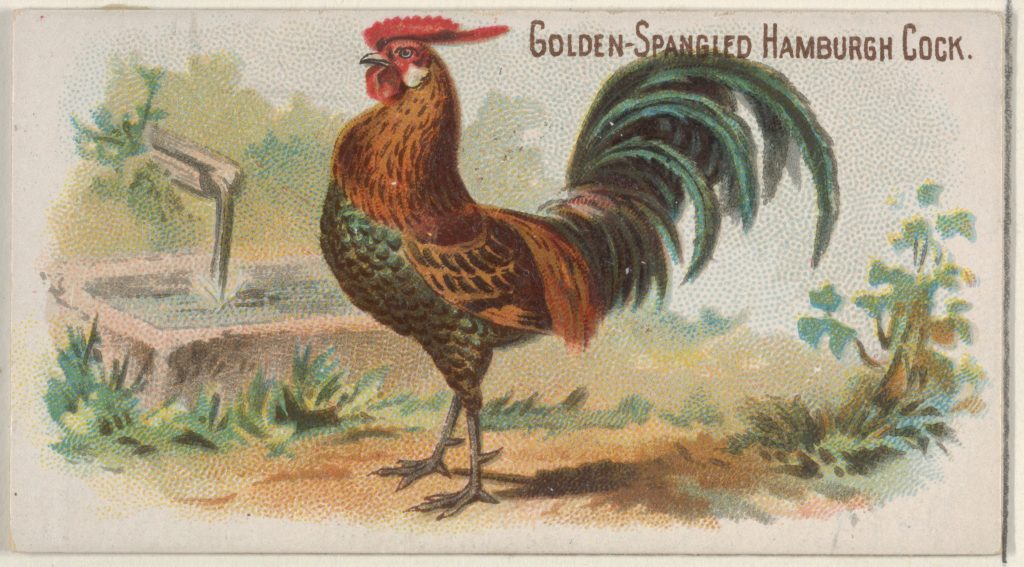
This explanation makes sense because:
- Roosters were common in 19th-century taverns
- The visual metaphor was memorable and spread quickly among customers
- It’s simple and matches the way the drinks looked
When Did the Word “Cocktail” First Appear?
The earliest printed definition of “cocktail” comes from 1806 in The Balance and Columbian Repository, an American magazine. It defined a cocktail as, “A spirituous liquor of any kind, sugar, water, and bitters”
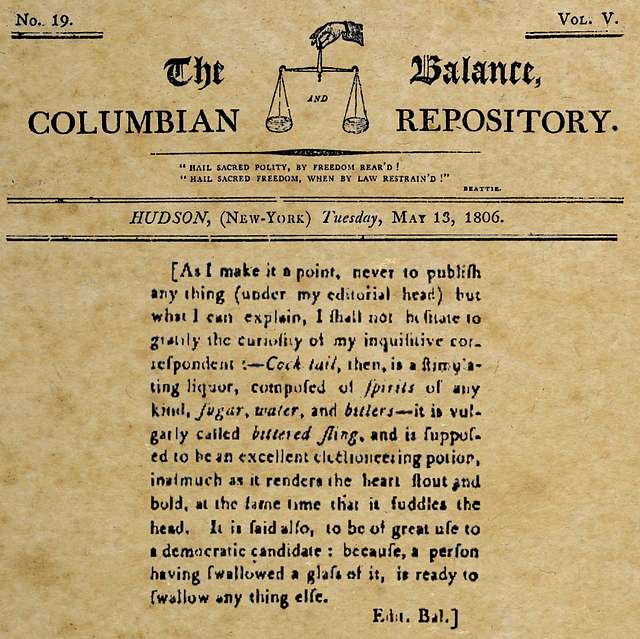
This tells us the word was already in use by the early 1800s, making the exact origin even more mysterious. By the 1830s-1840s, “cocktail” had become the standard term in American bars and saloons across New Orleans, Boston, and New York City.
Other Theories About Cocktail Origins
While the rooster tail theory dominates, there are other theories:
- French “Coquetel” Theory: Some suggest the word comes from the French “coquetel” (eggcup), since early cocktails were served in small cups. However, this lacks strong linguistic evidence.
- Voodoo Connection: New Orleans folklore suggests a connection to voodoo and magic, but this is largely undocumented.
- Medicinal Additives: An older theory claims roosters or their byproducts were added to drinks as medicines, but this is less popular among historians.
Why Did “Cocktail” Stick?
Despite its mysterious origins, “cocktail” became the universal term for mixed drinks because it:
- Distinguished mixed drinks from straight spirits
- Was easy to remember thanks to the vivid rooster imagery
- Spread globally through American bar culture and commerce
- Became entrenched before anyone questioned the name
Also, other cultures had different terms. For instance, the British used “mixed drinks,” the French preferred “apéritif,” and Spain used “copa,” but the American word eventually won out worldwide.
Cocktails Today
Modern bartenders and cocktail enthusiasts continue to debate the exact origins of the word. While the rooster tail explanation remains most accepted, the true history may never be completely proven! What’s certain is that “cocktail” has evolved from a simple visual description into a cultural icon representing craft, sophistication, and mixology.
What do you think is the correct origin story?
FAQ’s About Cocktails
When was the word “cocktail” first used? The earliest documented reference appears in 1806, though the word was likely in oral use before that.
Is the rooster tail origin definitely true? It’s the most accepted theory among historians and bartenders, but lacks definitive proof. The exact origin remains somewhat mysterious.
Did all cultures use the word “cocktail”? No. The British, French, and Spanish had their own terms for mixed drinks. “Cocktail” became dominant due to American cultural influence.
Can you call non-alcoholic drinks “cocktails”? Yes. “Mocktail” (non-alcoholic cocktail) is now commonly used, showing how the term has evolved beyond just alcohol content.
Also, Difford’s Guide has an awesome History of Cocktails. Check it out!
Now that you know the history behind the name, explore my cocktail recipes to create your own drinks with purpose. From rooster-tail inspired cocktails to modern mixology, discover recipes that bring the history and craft of cocktails to life in your own kitchen or bar. Personally, I think the Lavender Lemon Gin Sour looks the most like a rooster’s tail, but then again, I’ve never seen a rooster in person… yet.
